Biological sludge reduction for wastewater lagoons
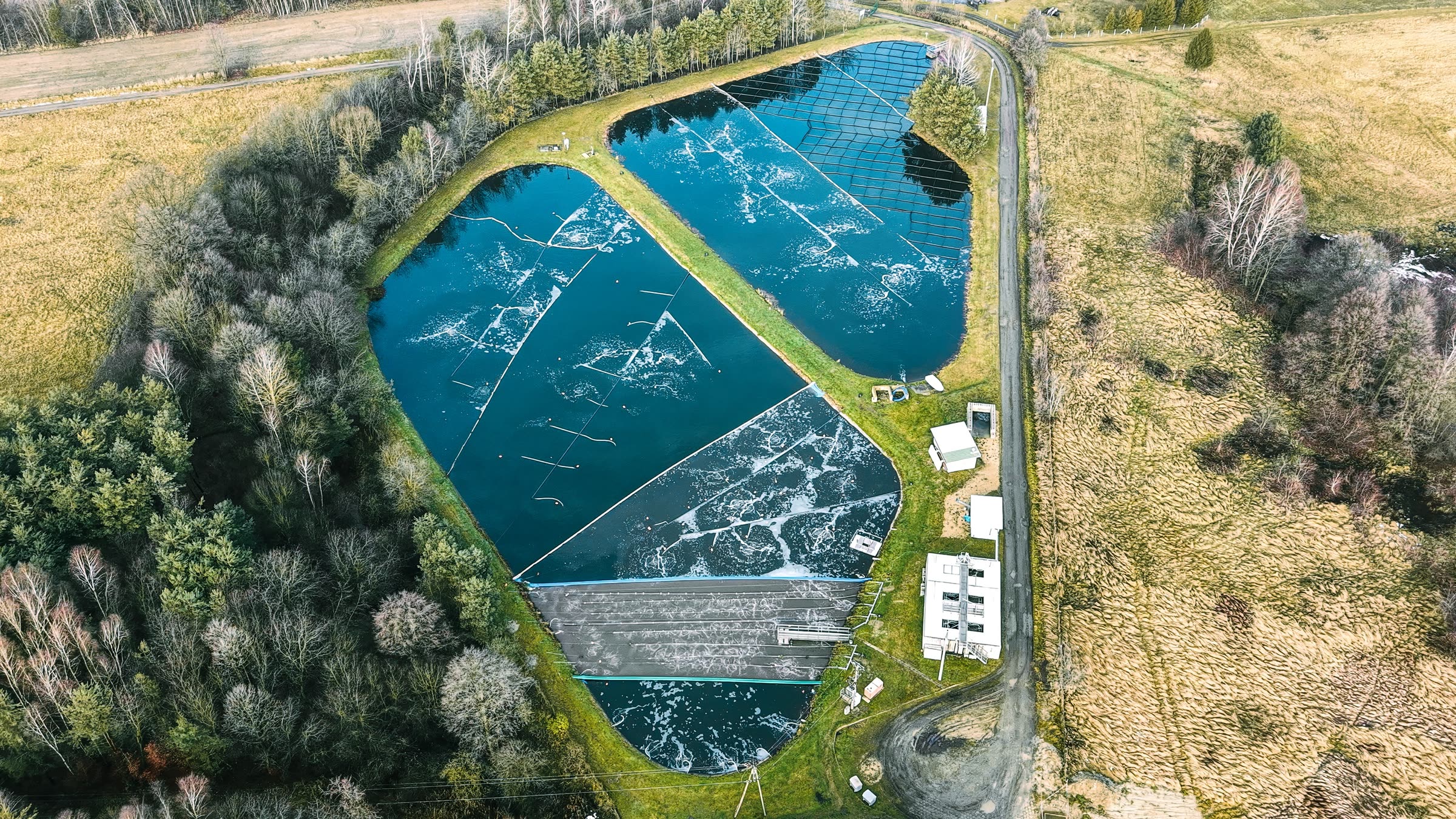
SediLogic bioaugmentation digests the organic sludge blanket in place — deferring dredging, recovering capacity, and cutting sludge-handling costs. Sized against your lagoon before it ships.
Sludge handling is the hidden cost of every lagoon
At many facilities, sludge handling accounts for 40–60% of total operating cost. SediLogic targets the volatile organic fraction — the part biology can actually remove — so you dredge less often and keep treatment capacity where you need it.
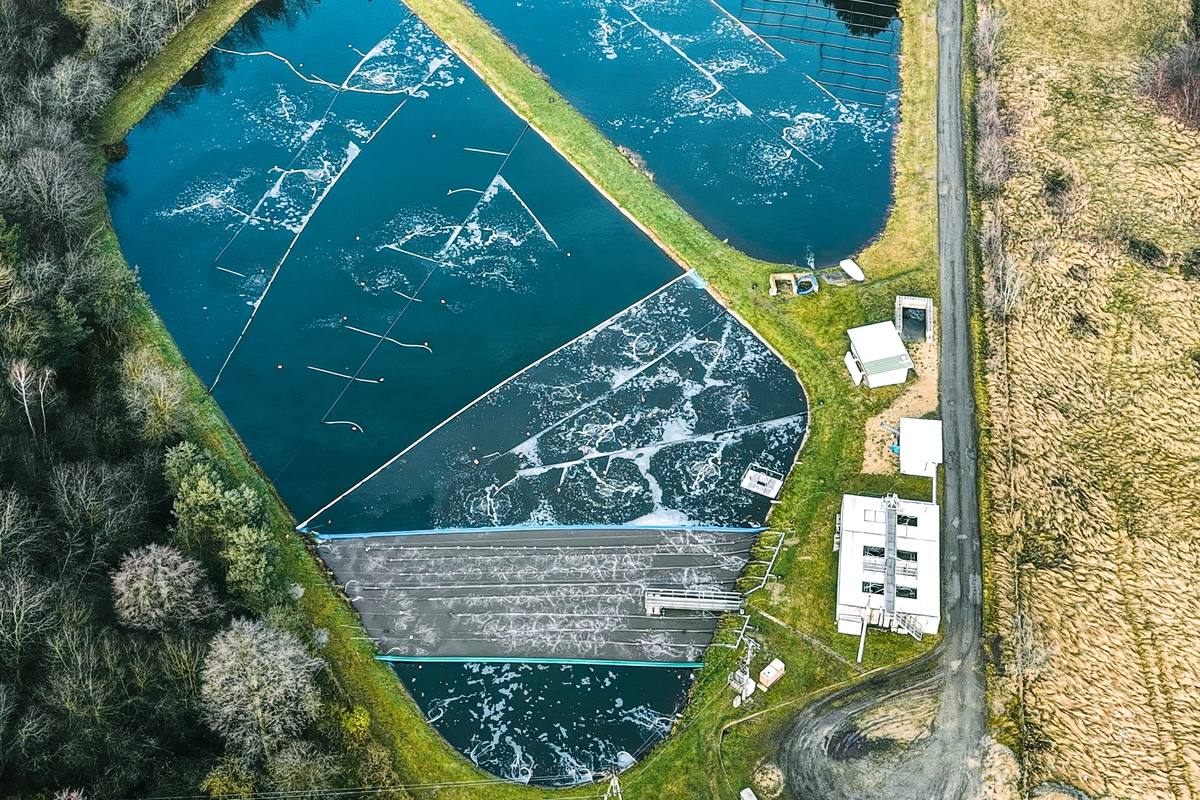
33–60% volatile solids
Published volatile-solids reductions across controlled studies and field case studies.
40–60% of OPEX
Share of operating cost many lagoon facilities spend on handling sludge.
Up to 60% in place
Of the treatable organic fraction digested in situ, deferring mechanical dredging.
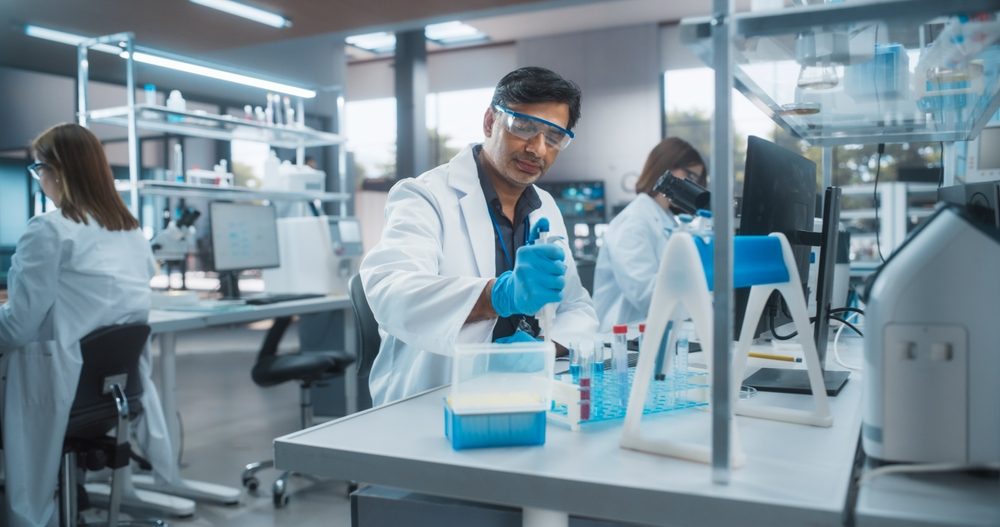 Bioaugmentation
Digest the organic blanket
Reduce volatile solids at the source
Bacillus cultures with protease, cellulase and lipase enzymes break down accumulated organic bottom sludge and cut suspended solids.
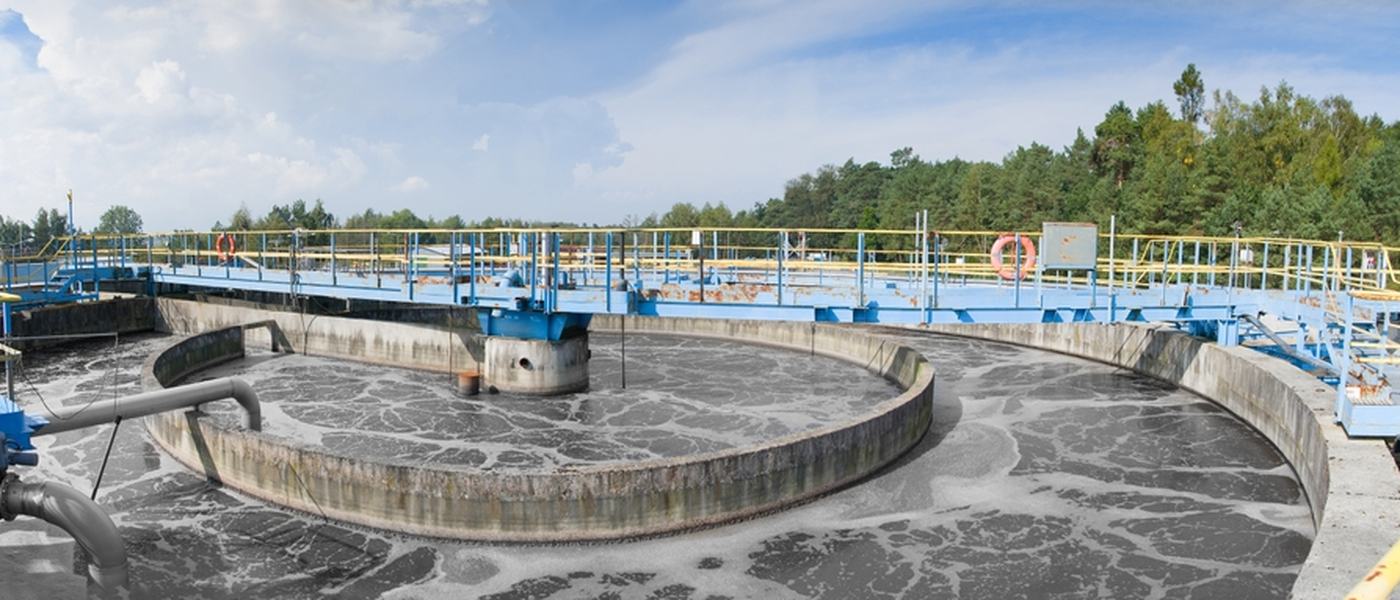 Effluent quality
Improve settling and clarity
Better effluent, lower loading
Reduce suspended solids and biochemical oxygen demand so downstream stages carry less load and the water column runs clearer.
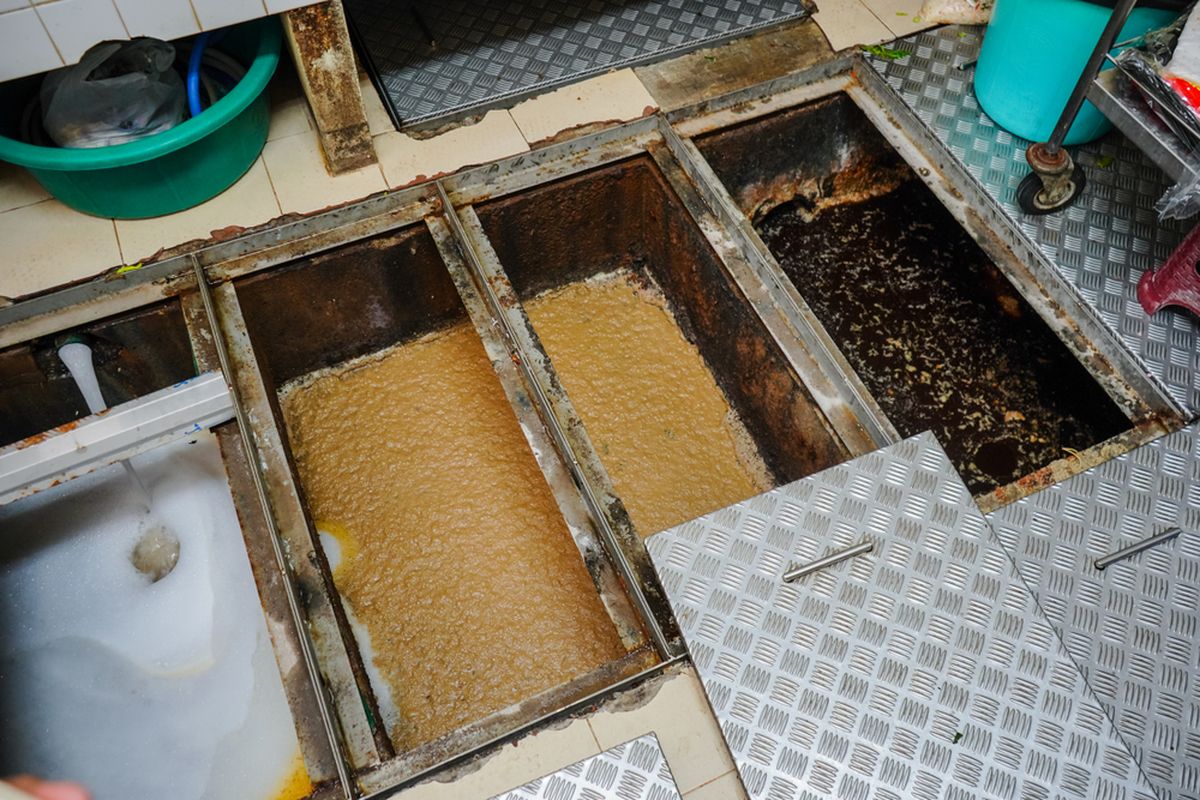 FOG control
Break down fats, oils and grease
Clear FOG before it hardens
Degrade the fats, oils and grease that blind surfaces and choke lift stations and interceptors between pump-outs.
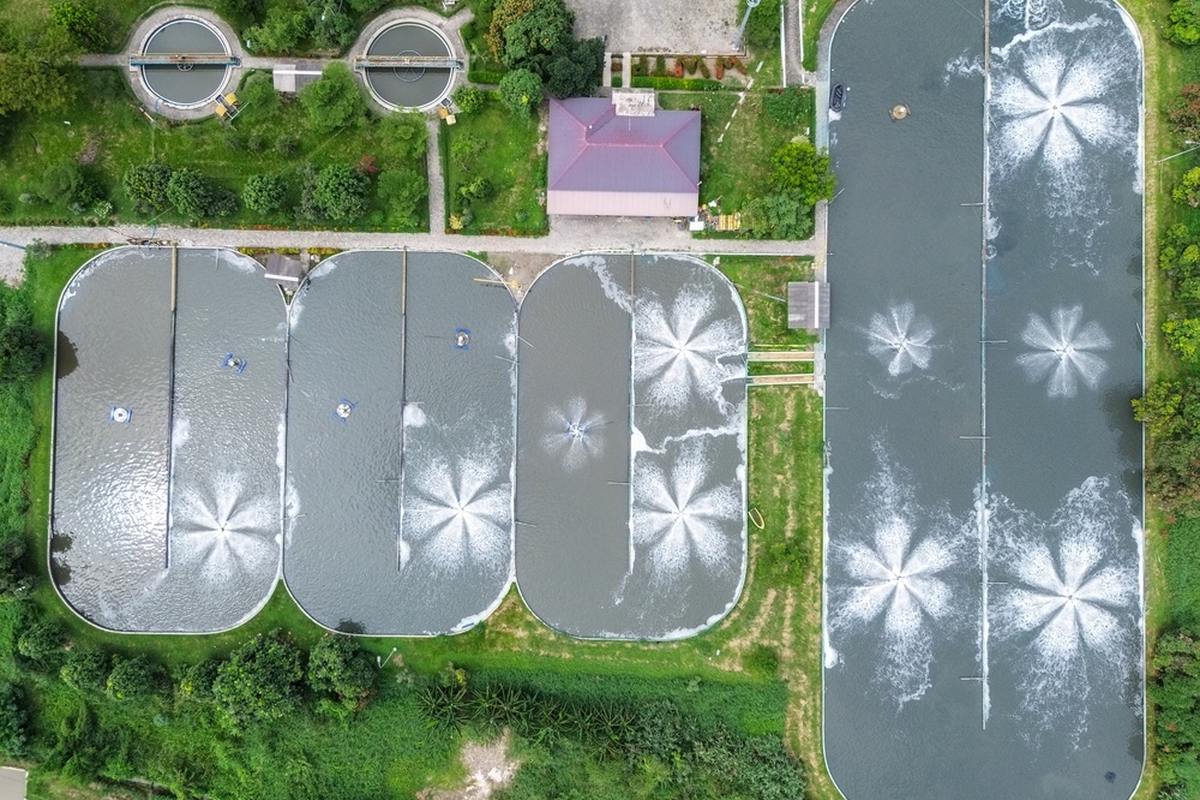 Capacity recovery
Defer dredging, recover capacity
Push the next clean-out further out
Removing the organic portion of the accumulation and slowing new build-up restores usable volume and delays a full mechanical clean-out.
What bioaugmentation can and cannot do
Bacteria digest the volatile organic fraction only. Sand, grit, silt, mineral precipitates and plastics stay put regardless of dose. If your accumulation is mostly inert material, or the lagoon needs aeration before biology can work, we will tell you — and recommend mechanical removal instead. We would rather lose the order than sell a treatment that cannot succeed.
Wastewater lagoons
Municipal & industrial
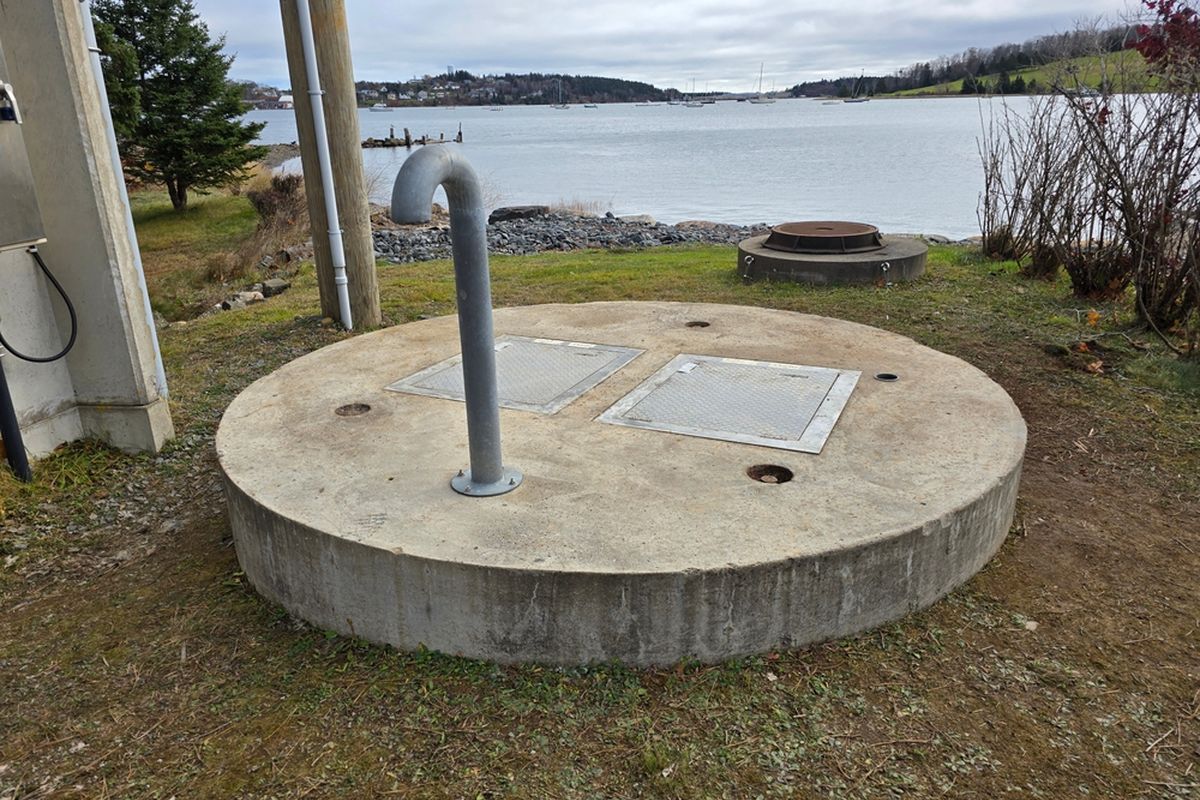
Lift stations
Collection-system wet wells
Grease traps & interceptors
Food-service pre-treatment
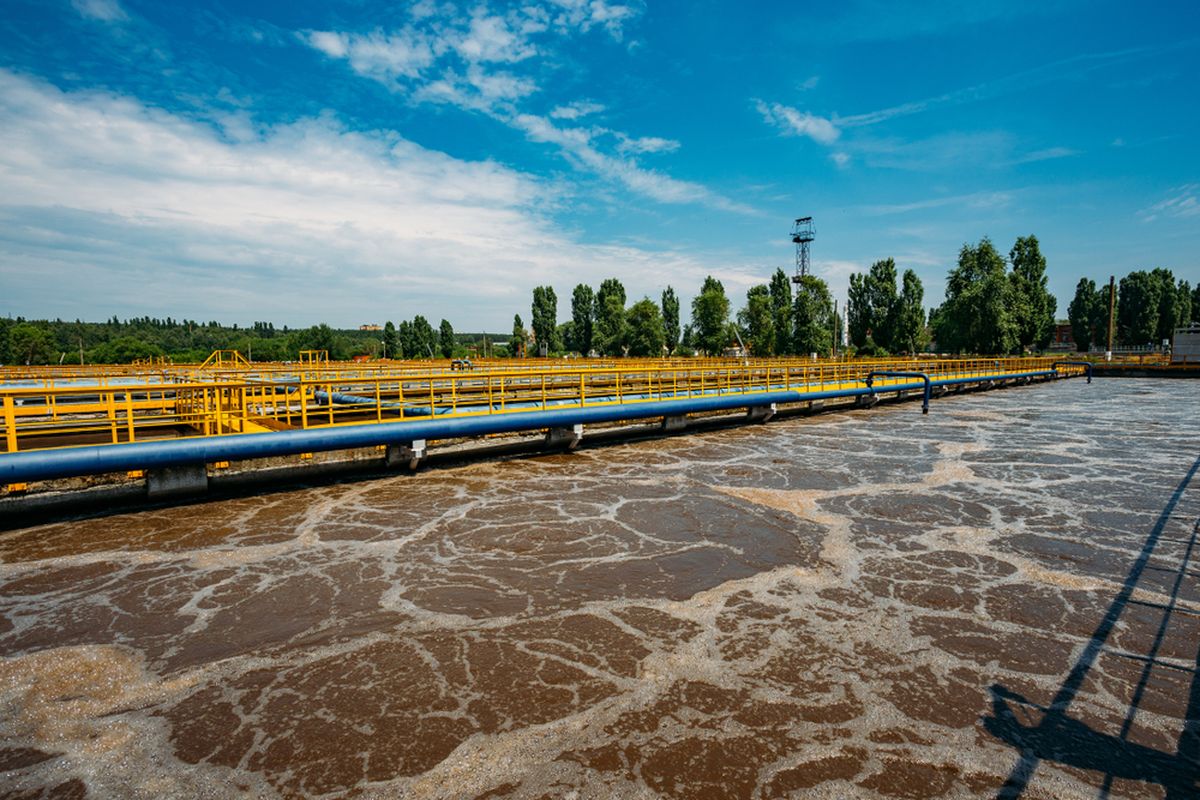
Aeration tanks
Activated-sludge mixed liquor
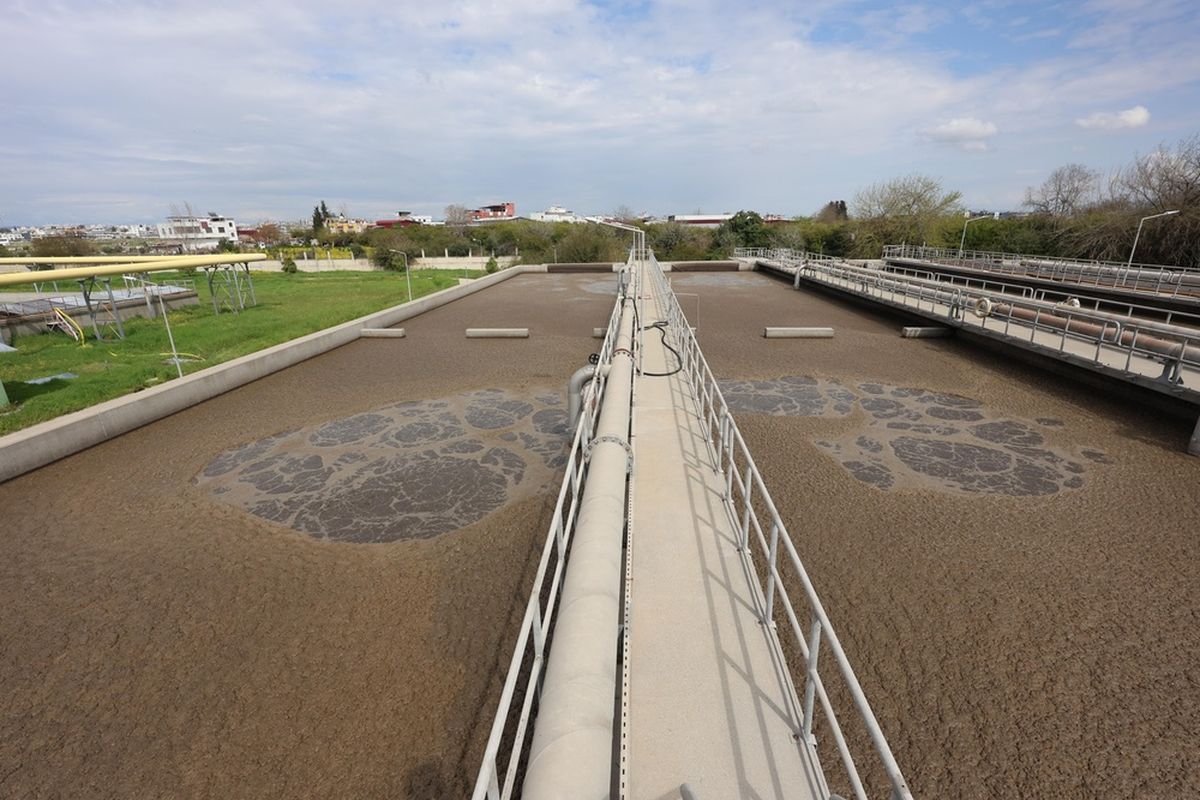
Sludge holding tanks
Thickening & storage
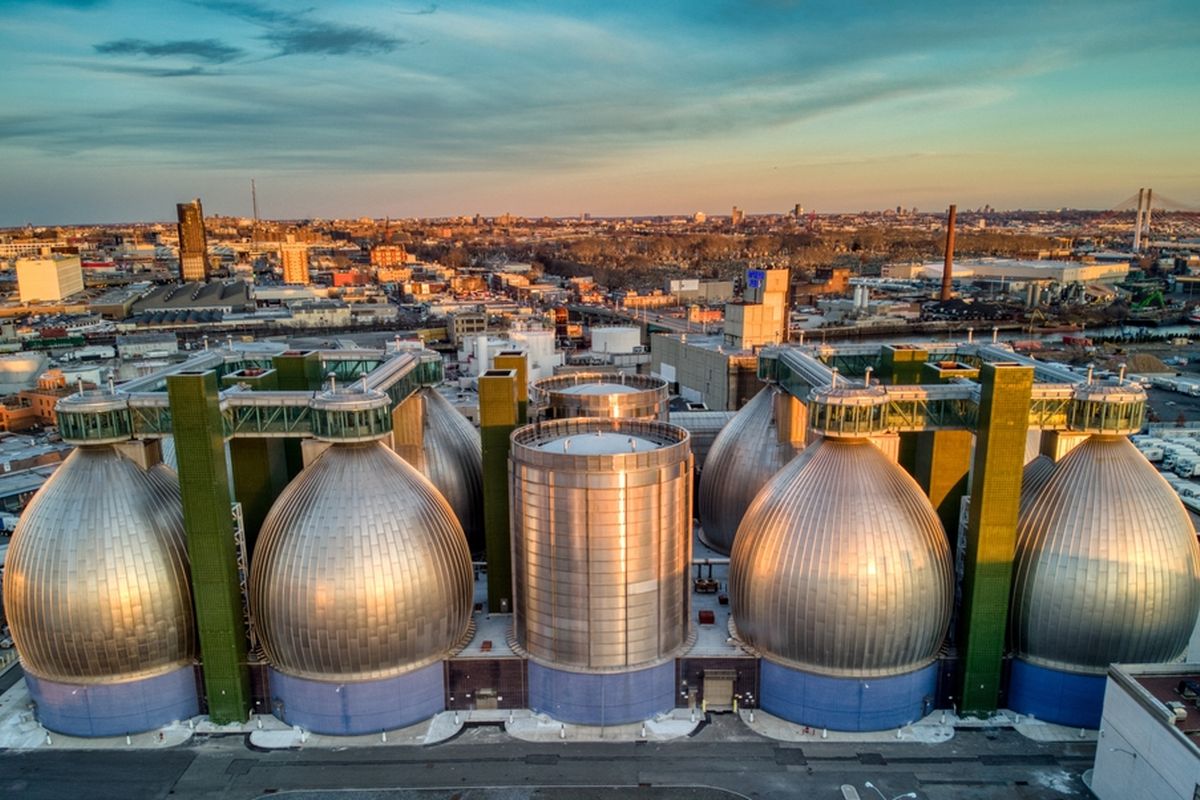
Anaerobic digesters
Solids stabilisation
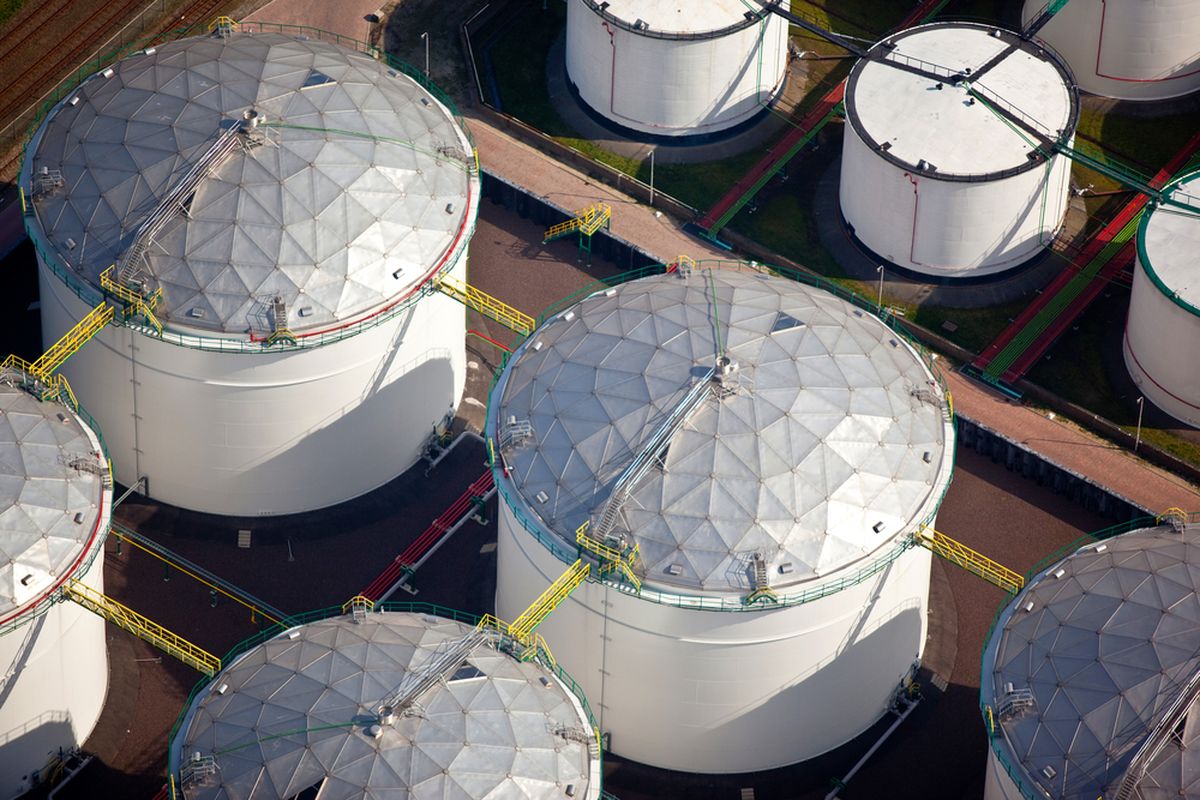
Aboveground storage tanks
Industrial process & effluent
Sized before it ships
Describe your lagoon — surface area, depth, aeration, and what the accumulation is made of — and we build a dose plan from the manufacturer's written dose tables, reviewed by a person before it becomes a quote. Correct sizing typically trims 5–20% off product spend versus rule-of-thumb ordering.
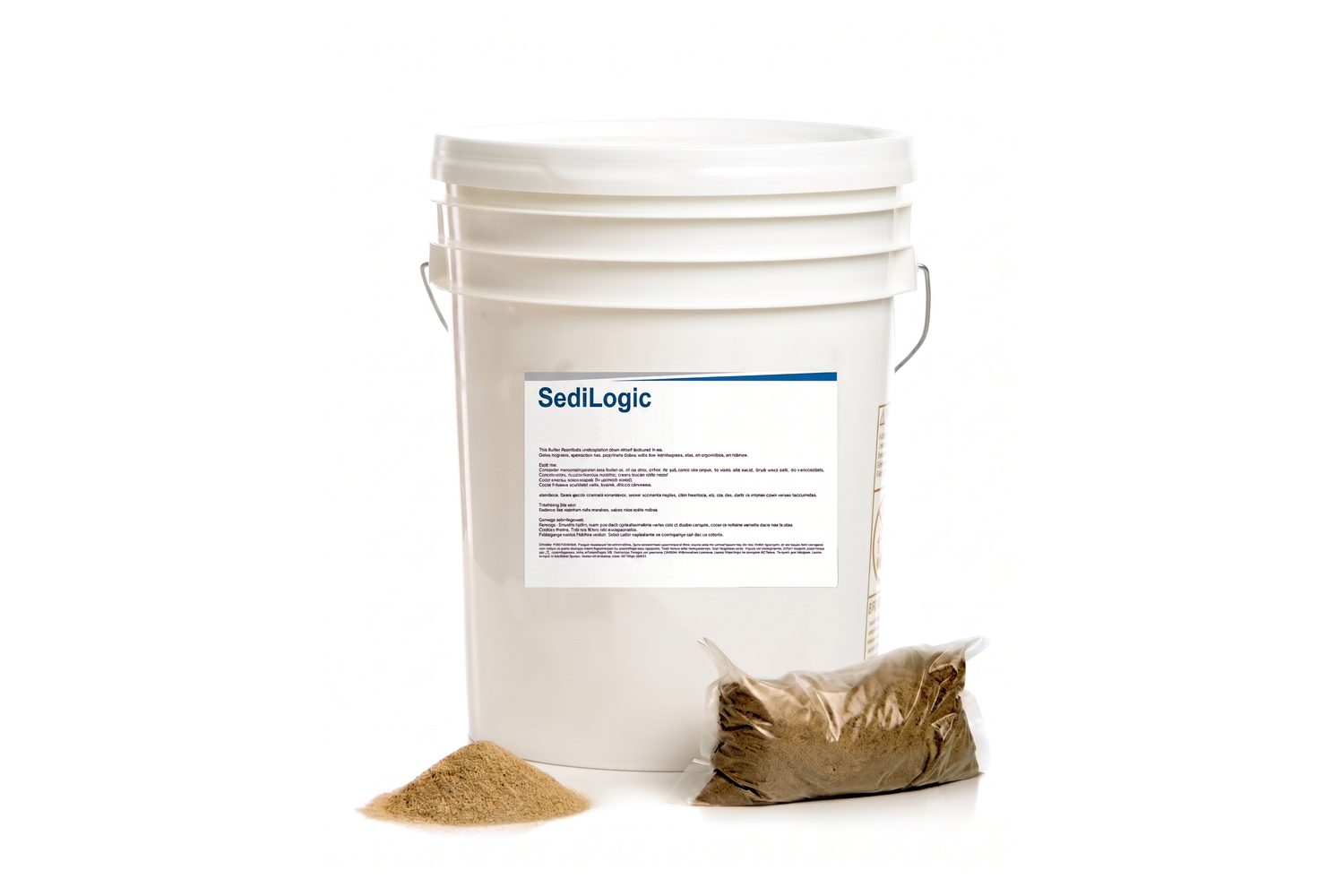
Two formats, matched to your lagoon
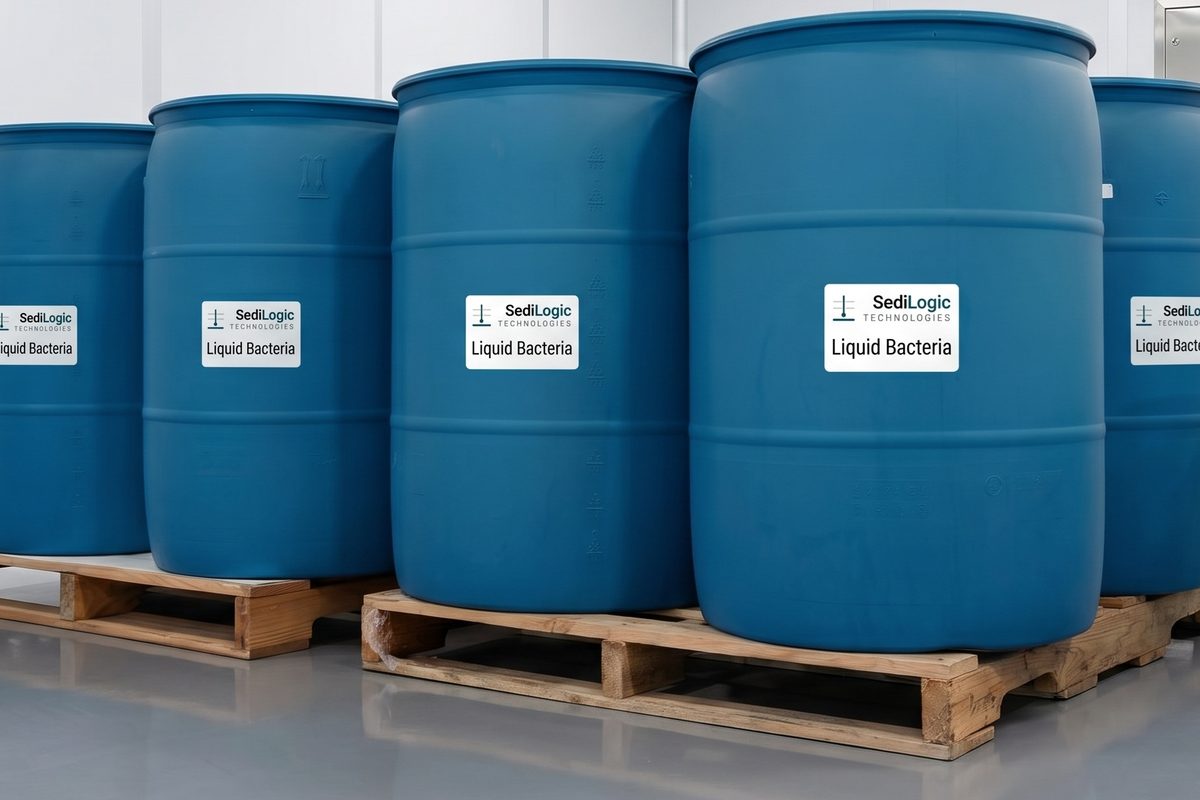
SediLogic ships in two delivery formats — one to knock down an established sludge blanket, one to hold the line in a well-mixed system.
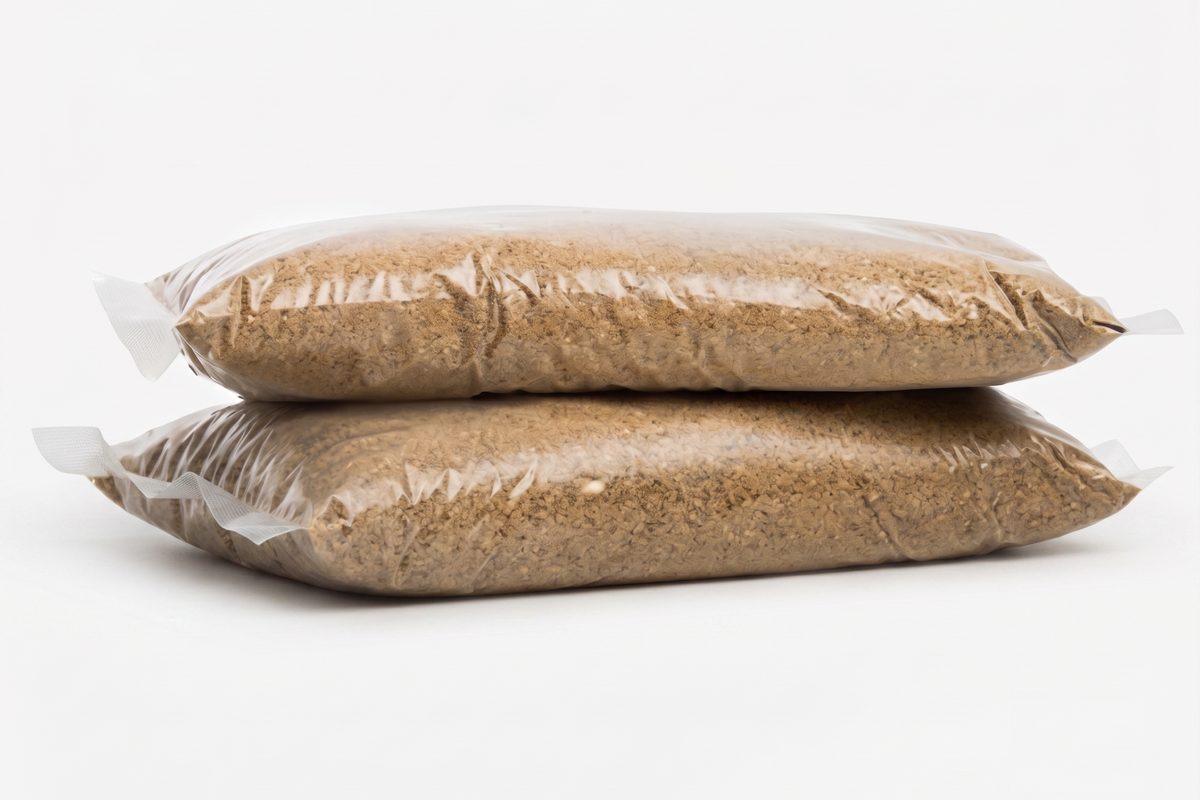
- SediLogic Core — the volume product
- A dense sinking solid engineered to fall through the water column and release at the benthic sludge interface, where the material it acts on actually sits. The right choice for an established sludge blanket.
- SediLogic Maintain — water-column dosing
- A dry, water-soluble pouch targeting the same organism families in the water column. Cheapest to ship and stock, and the right choice for holding a position in an adequately mixed lagoon.
- Dose plans & repeat supply
- Every order ships with a lagoon-specific dose plan, application instructions, a Safety Data Sheet and lot documentation. Maintenance programmes receive a 5% repeat-supply discount.
SediLogic Core specifications
- Format: dense sinking solid, releases at the benthic sludge interface
- Active biology: Bacillus cultures with protease, cellulase and lipase enzymes
- Action: digests volatile organic solids, degrades fats/oils/grease, lowers BOD
- Best for: established organic sludge blankets in deeper water columns
- Companion: SediLogic Maintain water-soluble pouch for well-mixed systems
- Supplied with: lagoon-specific dose plan, Safety Data Sheet and lot documentation
Questions
- How much sludge can biological treatment actually remove?
- Bioaugmentation digests the volatile (organic) fraction. Published reductions range from 33% to 60%, and up to about 60% of the treatable organic fraction can be digested in place. Inert material — sand, grit, silt, mineral precipitates and plastics — is not biodegradable and remains regardless of dose.
- Will this eliminate the need to dredge?
- Not entirely. It defers mechanical dredging by removing the organic portion of the accumulation and slowing new build-up, which recovers capacity and pushes the next clean-out further out. Lagoons dominated by inert solids still need mechanical removal.
- How do you size the dose?
- You describe the lagoon — surface area, depth, aeration and what the accumulation is made of. We build a dose plan from the manufacturer's current written dose tables, checked by a person before it becomes a quote. Correct sizing typically saves 5–20% versus rule-of-thumb ordering.
- What if biological treatment will not work on my lagoon?
- We will tell you. If the accumulation is mostly grit and silt, or the lagoon needs aeration first, biology cannot succeed — we will say so rather than ship a product that will fail.